Anger management techniques are structured skills, grounded in Cognitive Behavioral Therapy (CBT), that help you recognize what triggers your anger, interrupt escalation, and stay calm under pressure. Anger is a normal emotion; the goal of anger management is not to stop yourself from ever feeling angry, but to notice angry feelings early and take control of your anger before it controls you. This guide covers ten proven techniques, the evidence behind them, and how court-ordered anger management classes teach them step by step, for anyone who wants to learn how to control and manage anger, court-ordered or not.
In Short
- Anger management techniques are structured CBT skills: notice the trigger, interrupt the escalation, then change the thinking behind it.
- The fastest starting pair is trigger recognition plus deep breathing. One tells you anger is coming, the other slows it down.
- Court-ordered classes teach the same techniques in a set sequence, and OM Worldwide runs 8, 12, and 16 week options from $149.
What Are Anger Management Techniques?
Anger management techniques are practical coping strategies that help you notice anger as it builds and respond in a controlled, constructive way. Most of them come from Cognitive Behavioral Therapy, the framework behind the majority of structured anger management programs, including clinical protocols developed for the U.S. Substance Abuse and Mental Health Services Administration (SAMHSA).
Understanding anger is the starting point. Anger itself is not the problem; everyone gets angry. Anger problems start when anger escalates faster than your ability to manage it, or when the way you express anger hurts your relationships, your work, or your legal standing. Effective anger management works on three levels: recognizing the signs of anger and your personal triggers, interrupting the physical stress response, and changing the thinking patterns that fuel aggression. The aim is to express your anger assertively, without hurting others, rather than to suppress your anger and let it build into resentment.
10 Anger Management Techniques That Work
These ten anger management tools form the backbone of most structured programs. Each one is simple to learn, but they work best when practiced regularly, not just in the heat of the moment.
1. Deep Breathing
Slow diaphragmatic breathing calms the body’s stress response within minutes. Breathe in through your nose for four counts, hold briefly, and exhale slowly through your mouth. Use it at the first physical signs of anger, such as a tight chest, a racing heart, or a clenched jaw.
2. Timeout and Removal
Physically leaving a heated situation before it gets out of control gives your body time to reset. Step away, name a return time, and come back when you can speak calmly. A timeout is a skill, not a retreat, and it prevents the words you cannot take back.
3. Trigger Recognition
A trigger is any person, situation, or thought that reliably sparks your anger. Keeping a simple log of what is causing your anger, and when and where it shows up, reveals patterns you can plan around. Trigger awareness is usually the first skill taught in structured classes because every other technique depends on it.
4. Cognitive Restructuring
Cognitive restructuring means catching an automatic hostile thought and replacing it with a more accurate one. “He cut me off on purpose” becomes “He probably did not even see me.” When you change the thought, you change how intensely you feel angry in the moment that follows.
5. The Anger Meter
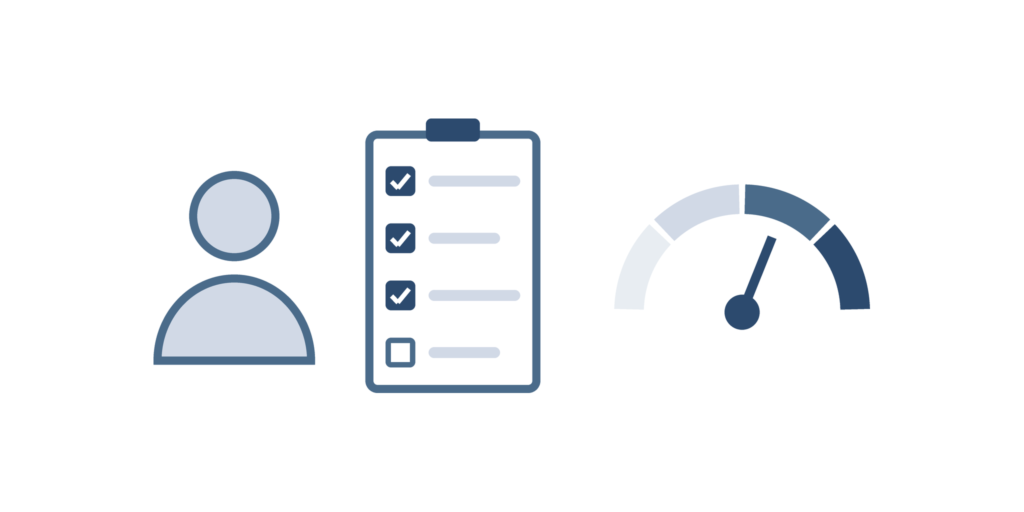
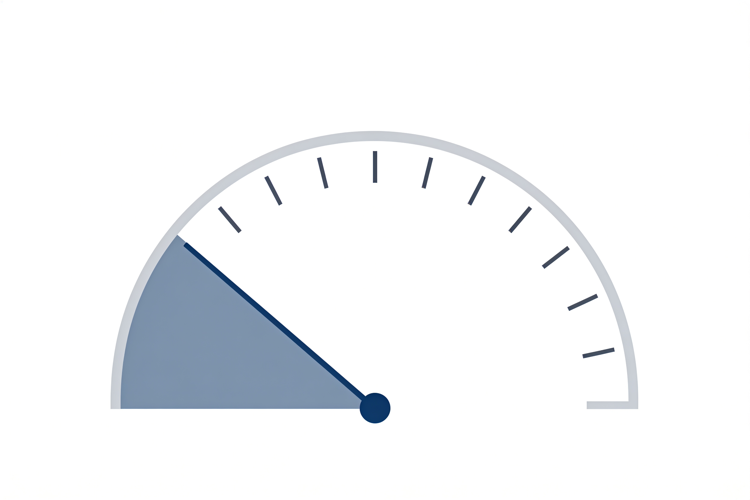
The Anger Meter is a CBT self-monitoring tool that asks you to rate your anger level from 1 to 10 throughout the day. Rating your anger forces a moment of self-awareness, and that moment is often enough to interrupt anger escalating toward an outburst. It is a core exercise in CBT-based anger management curricula and one of the simplest ways to keep anger under control day to day.
6. Progressive Muscle Relaxation
Progressive muscle relaxation means tensing and releasing each muscle group from your feet to your face, holding each for a few seconds. Practicing relaxation techniques like this lowers the physical arousal that keeps angry feelings burning. It pairs well with deep breathing as a daily habit, not just an emergency tool.
7. Assertive Communication
Assertiveness is one of the core communication skills taught in anger management: you express your feelings and needs clearly and respectfully, without attacking and without going silent. Use “I” statements: “I feel ignored when plans change without notice” instead of “You never think about me.” Assertive communication helps you express anger in a way that resolves the situation instead of escalating it.
8. Exercise and Physical Outlets
Regular physical activity burns off stress hormones and lowers your baseline agitation. A daily walk, a run, or strength training makes every other technique easier to use, because you start each day further from your boiling point and find frustration less difficult to manage.
9. Journaling and Self-Monitoring
Writing down anger episodes, what triggered them, how intense they were, and how you responded, turns vague frustration into usable data. Over weeks, journaling shows you exactly which situations make you prone to anger and which techniques are working.
10. Problem-Solving Frameworks
Sometimes anger is justified because a real problem needs fixing. A simple framework helps: define the problem, list your options, pick one, act, and review. When you solve the problem underneath the anger, you remove the trigger instead of just managing your reaction to it.
Interrupting Anger in the Moment: Which Techniques to Use
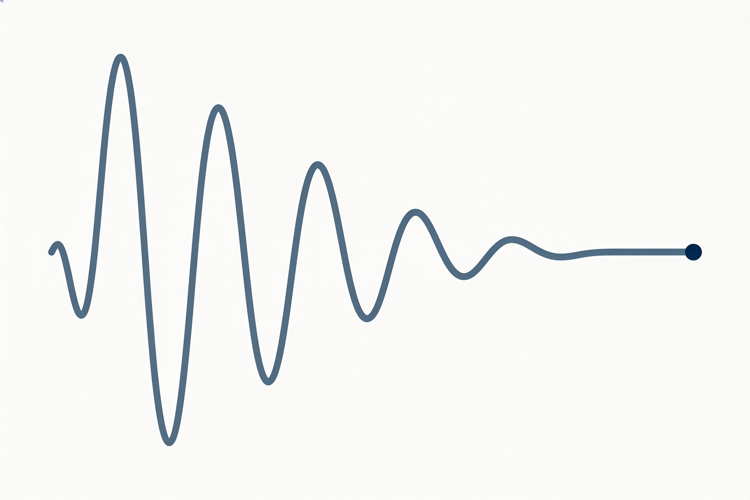
When you feel your anger rising, reach for the fast-acting strategies to calm down first: deep breathing, a timeout, and grounding your attention in your surroundings. A little humor can help too; deliberately deflating a tense moment is a legitimate technique, as long as it is not sarcasm aimed at the other person. Techniques like cognitive restructuring and problem-solving work better once your body has settled. The skill-building tools, such as trigger logs, journaling, and physical activity, are what make the fast tools available when you need them.
Do Anger Management Techniques Actually Work?
Yes. CBT is among the most-researched approaches to anger management therapy, and research reviews consistently find that structured anger management programs reduce how often and how intensely people experience anger, and improve how they express it. The techniques above are the same therapy techniques described in the American Psychological Association’s guidance on controlling anger before it controls you and in the SAMHSA cognitive behavioral therapy manual for anger management used in clinical and correctional settings.
The catch is consistency. A breathing exercise you practiced twice will not hold up in a real confrontation. Structured programs exist because sequence and repetition are what turn a list of anger management tips into reliable behavior change. And if anger feels impossible to manage on your own, or it is tied to trauma or another mental health concern, seek professional help: a psychologist or other licensed mental health professional can provide individual anger management therapy alongside, or instead of, a class.
What Techniques Do Court-Ordered Anger Management Classes Teach?
Court-ordered anger management classes teach the same core CBT techniques listed above, delivered in a structured sequence over several weeks. If you have been ordered to complete a class, here is what to expect from a typical 8-week online program.
Weeks 1 and 2: Awareness. You learn what anger is, how it escalates, and how to track it. Early modules introduce the Anger Meter and trigger logs, because you cannot manage anger you have not measured. You start rating your anger daily and identifying your personal warning signs.
Weeks 3 and 4: Interruption skills. The middle of the program builds your in-the-moment toolkit: deep breathing, timeouts, and relaxation training. You practice these coping strategies in low-stakes situations first so they are available under pressure.
Weeks 5 and 6: Thinking and communication. These modules cover cognitive restructuring and assertive communication. You learn to catch hostile automatic thoughts, replace them, and express your needs without aggression. Scenario exercises let you rehearse difficult conversations before they happen.
Weeks 7 and 8: Application and relapse prevention. The final modules focus on problem-solving, planning for high-risk situations, and building a personal anger control plan you keep after the class ends. Relapse prevention matters because the goal is not passing a class; it is keeping your anger under control months later, when the class is over and the pressure is real.
The weekly coursework follows a consistent rhythm:
- Each module opens with a video lesson that explains one skill in plain language.
- A short knowledge check follows to confirm you understood the key ideas before moving on.
- A written reflection asks you to apply the skill to your own life.
- A scenario exercise walks you through a realistic situation and asks you to choose and justify a response.
In a structured online program such as OM Worldwide’s court-ordered anger management class, progress is tracked throughout, and you receive a court-verifiable certificate of completion when you finish. Courts and probation departments commonly accept verifiable online certificates from structured programs like this, where the techniques used match the evidence-informed approach described in this guide. Acceptance always rests with your court, so confirm before you enroll.
Acceptance always rests with your court, so confirm before you enroll.
Practicing Techniques on Your Own vs. Taking a Class
Self-practice is a real option for everyday frustration. The techniques in this guide are free, and plenty of articles offer tips on managing mild anger or ways to tame your temper. For coping with anger at that level, consistent solo practice with a breathing routine, a trigger log, and regular exercise can genuinely move the needle.
A structured class adds four things self-practice cannot.
- Sequence. Skills build in the right order: awareness before interruption, interruption before communication.
- Accountability. Weekly modules, knowledge checks, and progress tracking keep you practising when motivation dips.
- Repetition with feedback. Scenario exercises and reflections force you to apply each technique, not just read about it.
- Documentation. A verifiable certificate of completion.
That last point matters most if a court, probation officer, or employer requires proof. Note that a class is different from a clinical anger management evaluation, which is a formal assessment performed by a licensed clinician. If your order requires an evaluation, complete it with a qualified provider; if it requires a class, a court-accepted program is the reliable path. OM Worldwide’s online anger management program starts at $149, is fully online, and issues a certificate that courts and officers can verify.
| Course Length | Format | Price |
|---|---|---|
| 8 weeks | Online, self-paced | $149 |
| 12 weeks | Online, self-paced | $199 |
| 16 weeks | Online, self-paced | $249 |
You can compare it with the other court-ordered programs if your order covers a different topic, or explore the personal development courses if you want to manage your anger by choice rather than by court order. See how the court-accepted online anger management class works.
Frequently Asked Questions
What is the most effective anger management technique?
No single technique works best for everyone. Research supports a CBT-based combination, and the fastest starting pair is trigger recognition plus deep breathing: one tells you when anger is coming, the other gives you an immediate way to slow it down before it becomes difficult to manage.
How long does it take to learn anger management techniques?
Most people notice a difference within a few weeks of consistent practice. Individual techniques take minutes to learn but weeks of repetition to become automatic, which is why structured courses spread the skills across a sequenced curriculum instead of a single list of tips.
How long are anger management classes?
Most anger management classes run 8 to 12 weeks. Court-ordered programs commonly require 8 weeks with 16 instructional hours, and OM Worldwide’s anger management program offers 8, 12, and 16 week options depending on what the court orders. Check your court paperwork for the required length before you enroll.
What should I expect from a court-ordered anger management class?
Expect weekly modules with video lessons, knowledge checks, written reflections, and scenario practice, moving from understanding anger through coping skills to a personal anger control plan. Your progress is tracked as you go, and you receive a court-verifiable certificate of completion at the end of the program.
Do courts accept online anger management certificates?
Courts generally accept verifiable online certificates, and certificates from OM Worldwide’s court-ordered anger management class can be verified directly by courts and probation officers. Acceptance policies vary by jurisdiction, so always confirm with your specific court before enrolling in any online program.
Tiffany Kumar · Checked by Tiffany Kumar, founder of OM Worldwide Inc., a WOSB-certified provider that delivers behavioral education in government and rehabilitation settings nationwide.