
Probation anger management classes are structured behavioral education programs that a judge or probation officer requires you to complete as a condition of probation. Courts and probation departments commonly accept verifiable online classes, and your order sets the required length. Whether the requirement comes from a court order at sentencing or from your officer during supervision, the process works the same way. This guide explains why probation and parole officers order these classes, what your officer will require, whether an online anger management course counts, how certificates are verified, and what to do if a deadline is at risk.
In Short
- A probation class is a court condition with a named program, a required length, a deadline, and an officer who needs documented proof.
- Courts and probation departments commonly accept online classes when the program is structured and the certificate can be verified.
- Acceptance is always the officer’s call. Confirm before you enrol, and tell them early if a deadline is at risk.
What Are Probation Anger Management Classes?
Probation anger management classes are probation classes focused on anger: court-recognized education programs that teach you to recognize triggers, interrupt escalation, and respond to conflict without aggression. Your paperwork may call the requirement court ordered anger management classes, a probation condition, or simply a mandated class; the content is the same. These programs use the same core curriculum as any structured anger management course, usually grounded in a Cognitive Behavioral Therapy (CBT) anger management model, and delivered as weekly modules with lessons, exercises, and knowledge checks that teach you to manage anger in real situations. You can read about the specific skills involved in our guide to anger management techniques.
What makes them different from an ordinary anger management class is the paperwork around them. A probation class comes with a named requirement in your conditions, a deadline, and an officer who needs documented proof that you enrolled, participated, and finished.
Why Do Probation Officers Order Anger Management?
Officers order anger management when the underlying offense involves anger, conflict, or violence, or when a supervision plan targets behavior change. Probation exists to supervise conditions the court sets, and completing required programs is one of the standard conditions officers monitor; the federal judiciary describes this supervision role in its overview of probation and pretrial services.
The legal order can come from two directions. A judge may write the class into your sentence directly, or your probation officer may require it as part of your supervision plan. Either way, the requirement carries the same weight: it is a condition of your parole or probation, not a suggestion. Courts and employers use the same class format for other purposes too; employer requirements after a workplace incident, and similar employment requirements, are handled the same way, minus the officer.
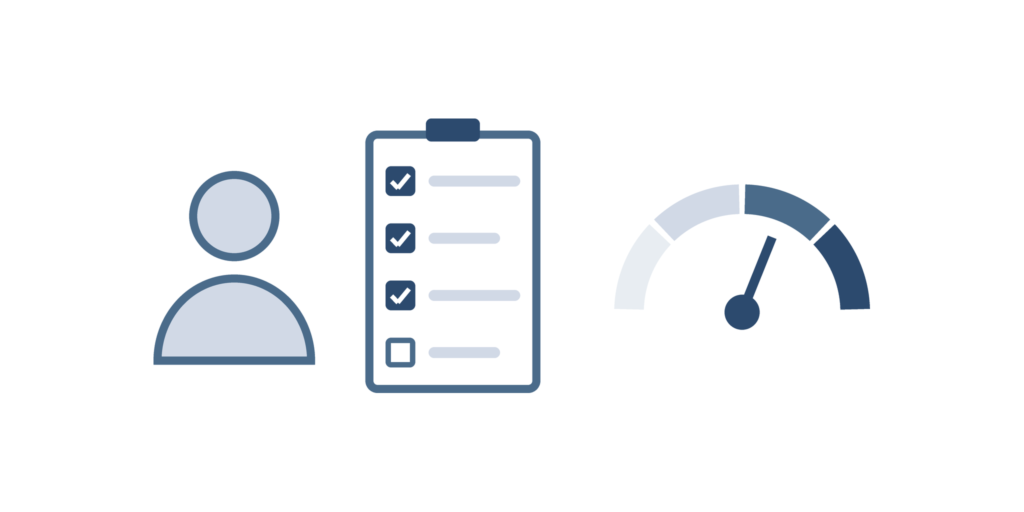
What Does Your Probation Officer Require From the Class?
Requirements vary by county and by officer, so treat this as the common checklist and confirm the specifics of your own order with your officer before you enroll.
- An acceptable provider. Some probation departments keep an approved provider list of local treatment providers; others accept any certified anger management program that meets the ordered structure. A court-approved or certified anger management provider label helps, but badges from trade groups such as the National Association of Court Approved Treatment Providers (NACATP) do not by themselves guarantee court acceptance; your officer’s approval does. Ask which applies to you. If your order covers a different topic as well, the same logic applies across court-ordered programs generally.
- The ordered length and hours. Your paperwork typically names a number of weeks or hours of anger management education. Course lengths vary by provider, so the class you choose must match or exceed what is written; a shorter class usually will not satisfy the court requirements.
- Proof of enrollment. Many officers want evidence that you signed up, often due quickly after the order; the officer sets the exact deadline. An enrollment confirmation email or receipt normally covers this.
- Evidence of progress. Officers may check in on whether you are moving through the program. A structured online class helps here because your account records completed weekly modules and knowledge-check progress that you can show at any meeting.
- Proof of completion by the deadline. This is the non-negotiable piece: a verifiable certificate. The certificate must be real, checkable, and in your officer’s hands before the completion date in your conditions.
Bring your actual paperwork to any conversation about class selection. The order controls everything: the topic, the length, the deadline, and what counts as proof.
Can You Take Your Probation Anger Management Class Online?
Courts and probation departments commonly accept online anger management classes when the program is verifiable and matches the ordered length. Always confirm with your probation officer before enrolling.
Online courses are now a standard alternative to in-person group sessions in most of the United States, and most are self paced. What makes an online class or distance learning program acceptable is not the format; it is the structure behind it. Officers look for a real curriculum delivered over real instructional hours, active participation rather than passive video watching, and a certificate that can be independently checked. A program with weekly modules, knowledge checks, written reflections, and scenario exercises satisfies that test in a way a watch-a-video certificate mill does not.
Online classes solve the practical problems that make in-person attendance hard on probation: work schedules, transportation, and childcare. A fully online and self-paced program such as OM Worldwide’s court-ordered anger management class lets you complete lessons around work and family obligations while still producing the documentation your officer needs.
One caution: acceptance is always the officer’s call. If your conditions say “in-person” or name a specific local provider, raise the online option with your officer first rather than enrolling and hoping.
How Probation Officers Verify Your Certificate
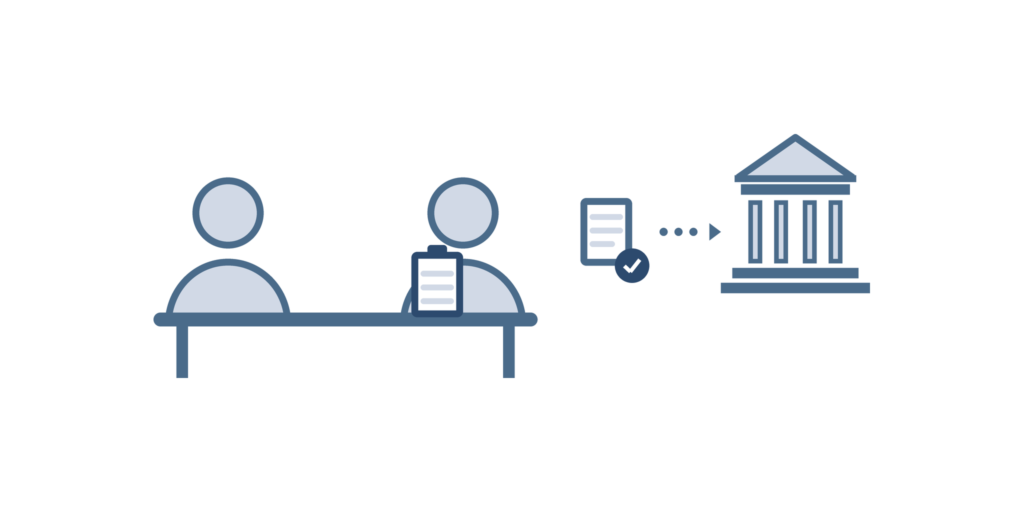
Probation officers verify a certificate by checking its details and confirming them with the provider. A certificate that cannot be checked is the fastest way to have a completed class rejected, which is why verifiability matters more than any other feature when you compare court accepted programs.
A court-ready certificate of completion shows your full name, the program name, the instructional hours completed, the completion date, and the identity of the provider, with a way for the officer to confirm it is genuine. When an officer wants to confirm, they contact the provider or use the verification path the certificate lists. OM Worldwide certificates are issued when you complete the program and can be verified directly by court or probation staff whenever they choose to check.
- Your full name and the program name
- The instructional hours completed and the completion date
- The identity of the provider, with a way for the officer to confirm it is genuine

Keep your own file as well. Save the enrollment confirmation, screenshots of your module progress, and the certificate itself. If a question ever comes up about whether you completed the requirement, you want the evidence in your hands, not just in someone’s records.
One thing no legitimate provider offers is a same-day certificate. Real programs require minimum participation across the ordered weeks, and officers know it. A certificate dated the day you enrolled is a red flag, not a shortcut.
What Happens If You Miss the Deadline or Do Not Finish?
An incomplete court mandated class can be reported as a probation violation. What follows is decided by your officer and the court, and commonly ranges from a warning or an extension to a formal hearing. No article can tell you what your county or your officer will do; the consequences are theirs to set.
What you can control is communication. If the deadline is at risk, tell your officer early and ask for an extension before the date passes, not after. Officers work with people who communicate and document; they report people who go silent. Keep evidence of the progress you have made, enroll in a program you can realistically finish, and treat the completion date in your conditions as the real deadline rather than a target.
See how the court-accepted online anger management class works.
Two side notes worth knowing. If your order pairs anger management with another program, such as a domestic violence or substance use class, each requirement needs its own completion. And if anger connects to underlying mental health conditions, tell your officer and ask about treatment alongside the education requirement; a class is education, not therapy. Plenty of people also finish these courses and keep using the skills for personal growth long after probation ends.
| Course Length | Format | Price |
|---|---|---|
| 8 weeks | Online, self-paced · 16 instructional hours | $149 |
| 12 weeks | Online, self-paced | $199 |
| 16 weeks | Online, self-paced | $249 |
Frequently Asked Questions
Can I take an anger management class online while on probation?
Yes. Online anger management classes are commonly accepted for probation requirements when the program is structured, matches the ordered length, and issues a verifiable certificate. Confirm with your probation officer before enrolling, since acceptance is always the officer’s decision.
How long is a probation anger management class?
The order controls the length. OM Worldwide’s anger management class is 8 weeks with 16 instructional hours, and 12 and 16 week options are available when the order requires more. Check your paperwork for the required duration before choosing a program.
How much does a probation anger management class cost?
Prices vary by provider, and some charge per session. OM Worldwide’s 8-week program is a flat $149 with no per-session or hidden fees. Confirm the total cost and what is included before enrolling anywhere.
What proof does my probation officer need?
A verifiable certificate of completion showing your name, the program, instructional hours, completion date, and the provider’s identity. Some officers also want proof of enrollment early in the process. OM Worldwide certificates can be verified directly by probation officers, and your account records your module progress along the way.
What happens if my probation officer will not accept an online class?
Acceptance is the officer’s call. Ask what providers they accept before enrolling, and request the approved-provider list if one exists. If online is refused, do not argue acceptance after the fact; complete what the officer approves and keep the documentation.
Tiffany Kumar · Checked by Tiffany Kumar, founder of OM Worldwide Inc., a WOSB-certified provider that delivers behavioral education in government and rehabilitation settings nationwide.