Not sure if you have anger issues? This free anger issues test takes about two minutes: rate how often 15 statements were true for you in the past four weeks and get your score out of 60, your band and your next step. No sign-up or email. It is a screening self-check, not a diagnosis.
What Your Score Means
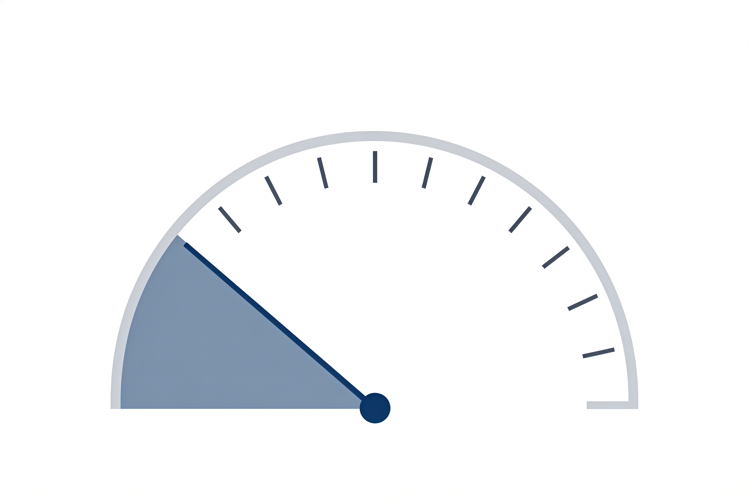
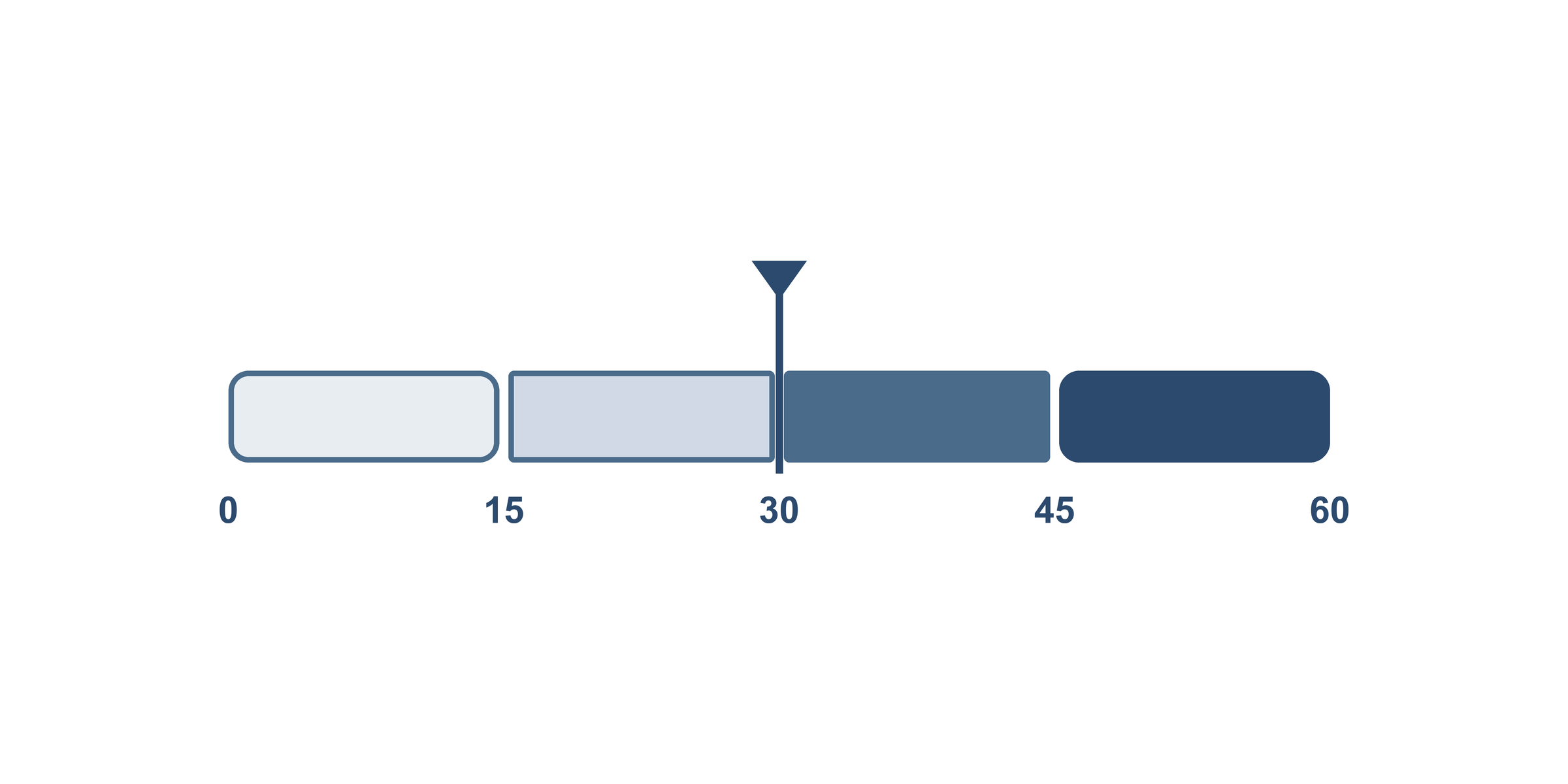
Each statement scores 0 to 4, so the total runs from 0 to 60 in four equal bands. A total of 30 or more is the point where structured help is worth it.
| Score | Band | What it usually means | Next step |
|---|---|---|---|
| 0 to 14 | Low | Anger shows up the way it does for most adults: sometimes, briefly, and without lasting damage. | Nothing to fix. If one area scored high, it is still worth attention. |
| 15 to 29 | Mild | A pattern is forming in one or two areas, most often replaying arguments or holding anger in, and it is not costing you much yet. | Work on your two highest-scoring areas first. The fastest tools are in our anger management techniques guide. |
| 30 to 44 | Moderate | Anger is a regular presence and is starting to cost you something: an argument that stays, a warning at work, a partner who tiptoes. | Structured skills training is the right size of response: a self-paced personal development course or, if a court has ordered it, the court-ordered class. |
| 45 to 60 | High | Anger is frequent, intense and hard to stop, and it is doing damage. People in this band describe blackouts, broken objects, threats or trouble with the law. | Talk to a mental health professional first, especially if anyone has been hurt or threatened. A class can run alongside professional help, not instead of it. |
Why the past four weeks: one bad day is not a pattern, and a month is short enough to remember accurately. It is the same window the DAR-5 anger screen uses. Answer for the whole month, not for today, and if the month was unusual, such as a bereavement or a court case, read your band with that in mind. Retake the test four weeks after you start a program so the two periods do not overlap; the page remembers your last score on this device.
What the Test Measures
Three statements cover each of five areas, so every area scores 0 to 12. The areas follow the dimensions the professional anger scales measure. Your result shows all five, and your two highest are the ones to work on first.
| Area | Statements | A high score points to | First skill |
|---|---|---|---|
| How often and how fast (frequency and triggers) | 1 to 3 | Anger that arrives quickly and over small things | A ten-second pause and slow breathing before you answer |
| How long it stays (rumination) | 4 to 6 | Replaying arguments and carrying anger into the next day | Write the grievance down once, then set a time to stop going over it |
| What comes out (anger expressed outward) | 7 to 9 | Shouting, swearing, slamming, throwing or breaking things | A time-out: leave the room and come back in twenty minutes |
| What stays in (anger held in) | 10 to 12 | Stewing, silent treatment and feeling sick from holding it in | Say what is wrong early, in one sentence that starts with “I” |
| What it costs (control and consequences) | 13 to 15 | Other people noticing, and problems at work, at home or with the police | A structured program, because single tips rarely move this area |
How This Test Compares With Other Free Anger Tests
This is the only free anger test below that publishes its full scoring method and gives a next step for readers sent by a court or an employer.
| Test | Format | What you get | Built from |
|---|---|---|---|
| This test (OM Worldwide) | 15 statements, past four weeks, 0 to 4 each, about 2 minutes | Score out of 60, band, five-area breakdown, next step and scoring method, all on the page with no email | Original items on the structure screening scales share; not clinically validated |
| Psychology Today Anger Management Test | 20 agree-or-disagree statements, 0 to 4, about 3 minutes | Free snapshot; full report paid; scoring not shown | Cites the NAI-25, Spielberger AEX, Anger Self Report and BPAQ |
| HeadsUpGuys Anger Check | 5 questions, past four weeks, anonymous | Score with next steps; retake to track progress | Adapted from the DAR-5 (Forbes and colleagues, 2014) |
| Mind Diagnostics Anger Management Test | 15 questions, 2 to 4 minutes | Low, moderate or high risk, then a therapist referral; scoring not shown | Frequency, intensity and impact; source scale not named |
| Psychologist World Anger Test | 25 situations rated 0 to 4, one per screen | A percentage; scoring explained afterwards | Novaco-style provocation items from a 2004 source |
| Psych Central Anger Issues Test | 38 questions, hosted from IDRLabs | Multidimensional profile; no interpretation on the page | Siegel’s Multidimensional Anger Inventory, 1986 |
How the Score Is Calculated
The 15 items are original, written by OM Worldwide and reviewed by our founder. The total is the plain sum of the 15 answers: no reverse-scored items, no hidden weights. The test has not been validated in a clinical study; a screening score tells you whether to look closer, and only a licensed professional’s evaluation can lead to a diagnosis. The scales professionals use:
| Scale | Items | What it measures |
|---|---|---|
| State-Trait Anger Expression Inventory-2 (STAXI-2), Spielberger | 57 | State anger versus trait anger, anger turned in, anger turned out and anger control; the reference scale other anger tests are validated against |
| Novaco Anger Scale and Provocation Inventory (NAS-PI) | 85 | Anger thoughts, arousal and behavior, plus the situations that provoke it |
| Dimensions of Anger Reactions-5 (DAR-5), Forbes and colleagues, 2014 | 5 | A brief screen of the past four weeks, validated against the STAXI-2, with a screening cut-off of 12 |
| Clinical Anger Scale (CAS), Snell and colleagues, 1995 | 21 | Long-lasting, pervasive anger rather than ordinary irritation, scored 0 to 63 |
| Buss-Perry Aggression Questionnaire (BPAQ), 1992 | 29 | Physical aggression, verbal aggression, anger and hostility; used in anger management trials to measure change |
| DSM-5-TR Level 2 anger measure (PROMIS Anger short form), American Psychiatric Association | 5 | Anger over the past seven days, each item scored 1 to 5; the free cross-cutting measure clinicians add to a DSM-5-TR assessment |
Frequently Asked Questions
Do I have anger issues? What are the signs?
You may have anger issues if your anger is frequent, out of proportion to the trigger, hard to stop, or costing you something. Common signs and symptoms in men and women: snapping over small things, replaying arguments for hours, shouting or breaking things, the silent treatment, regret afterward, and people close to you tiptoeing around you.
Is this anger issues test free?
Yes. There is no sign-up and no email. Your score out of 60, your band, your five-area breakdown and a next step all show on this page, and your individual answers are never sent or stored. For free anger management tools after the test, start with our anger management techniques guide.
What score on an anger issues test means you have anger issues?
On this test each of the 15 statements scores 0 to 4, so the total runs 0 to 60. Below 15 is Low and 15 to 29 is Mild. A total of 30 or more (Moderate or High) is where anger is costing you something and structured help is worth it. At 45 or more, talk to a professional first.
Is an online anger test accurate, and can it diagnose anger issues?
It is accurate enough to show a pattern, not to diagnose. This test is a screening self-check and has not been validated. A diagnosis needs a licensed professional’s interview plus validated scales such as the STAXI-2, the Novaco Anger Scale or the DSM-5-TR anger measure, all listed under How the Score Is Calculated.
Does an online anger test count as a court-ordered anger management assessment?
No. A court-ordered assessment or evaluation is an interview and written report by a licensed clinician; our guide to anger management evaluations for court explains it. An order for a class or program means a course like the court-accepted online anger management class. Acceptance is always the court’s decision.
Can anger issues come from anxiety, depression, ADHD, OCD or bipolar disorder?
Yes. Frequent anger is common in anxiety, depression, PTSD, ADHD, OCD and bipolar disorder, and the closest diagnosis for anger itself is intermittent explosive disorder. An online test cannot tell these apart. If your anger comes with low mood, constant worry, racing thoughts, poor sleep or trouble focusing, raise it with a doctor rather than treating the anger alone.
Is this anger issues test for adults, teens or kids?
It is written for adults, including anyone a court, probation officer or employer has sent to a program. It is not designed for children or teenagers, because the statements and next steps assume adult work, relationships and legal situations. For a child or teen with anger issues, a pediatrician, school counselor or family doctor is the right first call.
When should I get help for anger issues?
See a doctor or mental health professional if you struggle to cope with your anger, self-help is not working, or you are acting in an abusive or violent way. Also if you have stress, anxiety or depression, or your mood has been low for over two weeks (the NHS list). If anyone is in immediate danger, call 911.
Can anger management classes help with long-term anger issues?
Yes, for most people. Anger management classes teach cognitive-behavioral skills: spotting triggers, lowering arousal, changing angry thinking and saying what is wrong early. Randomized trials show these skills reduce anger both in person and remotely. Long-standing anger takes practice, so retake this test four weeks into a class to see which areas moved.
Tiffany Kumar · Checked by Tiffany Kumar, founder of OM Worldwide Inc., a WOSB-certified provider that delivers behavioral education in government and rehabilitation settings nationwide.