
Anger management classes for parents are the same CBT-based skills classes courts commonly accept for adults. What differs is the door you came through: a family court order, a custody agreement, a CPS (child protective services) case plan, or your own decision to stop yelling at home. If a judge or caseworker sent you here, that is a requirement, not a verdict on you as a parent, and there is no judgment in this guide. Below you will find the four answers that matter: what the class actually is, what to expect week by week, how to enroll, and how you prove completion when you finish.
In Short
- Anger management classes for parents are the same CBT-based skills classes courts accept for adults, taken because a family court, custody agreement, or caseworker requires one, or because you want better ways to cope at home.
- Expect 8 weekly modules (16 instructional hours) covering triggers, regulation, and communication, fully online and self-paced, with 12 and 16 week options when a court orders a longer term.
- Enrollment takes minutes: confirm the requirement in your order, sign up online, finish the weekly modules, and submit the court-verifiable certificate yourself.
What Are Anger Management Classes for Parents?
Parent anger management classes are standard adult anger management classes: structured, evidence-based behavioral education built on cognitive behavioral therapy concepts. Courts do not order a special parent version. They order an anger class because the conflict that reached the court involved your family, so you take it as a parent, with your home life as the practice ground.
Formats vary: some providers run in-person group workshops or one-on-one sessions with a specialist, while online classes let each participant work through the same curriculum at their own pace, no live educator required. Two things the class is not. It is not therapy: counseling or psychotherapy with licensed therapists treats conditions, while a class teaches skills. And it is not a parenting class, which is a separate course about raising children rather than managing your own reactions.
Why Do Family Courts Order Parents to Take Anger Management?
Judges, probation officers, and caseworkers order a court-mandated anger class when anger played a role in a custody dispute, a visitation conflict, a CPS case, or an incident at home, and they want documented behavioral change before or alongside their decisions. The class is how you show accountability on paper, not just in words. A finished class puts documented follow-through in your file; the stability and constructive involvement the court wants to see are things you demonstrate over time, and how any of it is weighed is always the court’s decision.
Orders sometimes pair the class with other requirements, such as substance abuse education, when more than one issue reached the file. One important distinction: if your order says domestic violence or batterer intervention, that is a different court-ordered class with its own curriculum; OM Worldwide’s domestic violence prevention program covers that requirement.
A note on roles: OM Worldwide is the class provider, not the evaluator. The court or agency decides what you need; the class delivers it.
What Will You Learn in an Anger Management Class for Parents?
The class teaches you to recognize your triggers, interrupt escalation before it peaks, and communicate without aggression. According to the American Psychological Association, anger drives a real physical response, so the skills start in the body and move to the conversation. Expect to practice:
- Recognizing triggers and the physical cues that fire first, so you get a few seconds of warning
- Emotional regulation: practical skills to bring the surge down before you respond
- Assertiveness instead of aggression, so you can say the hard thing without shouting it
- Empathy and healthy boundaries with your kids, your co-parent, and your ex
- Problem-solving skills to resolve conflicts instead of replaying them
- Relapse prevention, so one bad evening does not become the old pattern again
Our guide to anger management techniques walks through the core methods in depth, so this article will not re-teach them.
Parenting programs and anger management classes are usually separate online courses, not one combined program. A parenting class teaches parenting skills such as discipline, development, and co-parenting, while an anger class teaches self-regulation. Some parents are ordered to take both; OM Worldwide’s court-ordered parenting class covers the parenting side, so match each class to the exact wording of your order.
What to Expect Week by Week in an 8-Week Class
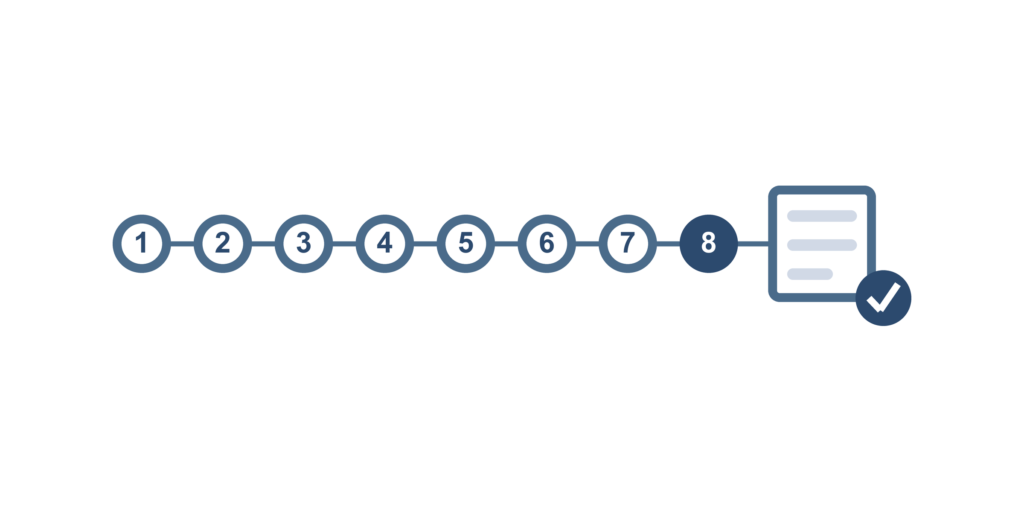
The standard structure is 8 weekly modules and 16 instructional hours, fully online and self-paced. Each week follows the same rhythm: a lesson, a knowledge check, a written reflection, and scenario practice, with your progress tracked as you go. Courts sometimes order a longer term, so 12 and 16 week options exist; hours for those are not published, and the order controls the length, so match it exactly.
Early weeks teach you to recognize triggers and high-risk situations, the moments at home where anger reliably starts, and to catch your early warning cues. Middle weeks build the replacement response: cooling the body down, then assertive communication in the exact conversations that used to blow up. Later weeks turn the strategy into a habit and close with relapse prevention, so the skills survive a stressful week, not just a calm one.
Self-paced means flexible: you choose when each module happens, around work, childcare, and court dates. It does not change how many weeks the class takes, because the point is practiced behavioral change, and practice needs time.
How Do You Enroll in an Anger Management Class as a Parent?
Online options exist for both parenting classes and anger management classes: self-paced courses run fully online in any state, and the step that matters is confirming with your court or caseworker that the format is accepted. Enrollment itself takes minutes; matching the class to your order is the real work. Follow five steps:
- Read the exact wording of your order or case plan: the class name, the length, and any deadline.
- Consult your attorney, caseworker, or officer to confirm the required length and any provider rules.
- Choose the class length that matches the order: 8 weeks standard, 12 or 16 if ordered.
- Complete registration online and keep the confirmation for your records.
- Work through the weekly modules on your schedule until the final one is done.
See how the court-accepted online anger management class works, including what each weekly module covers. Acceptance is always the court’s or caseworker’s decision, so confirm before you enroll in any program. Free county or peer support groups exist and can genuinely help, but they often cannot issue the verifiable documentation a court requires, which is usually the deciding factor.
How Do You Prove Completion to the Court?
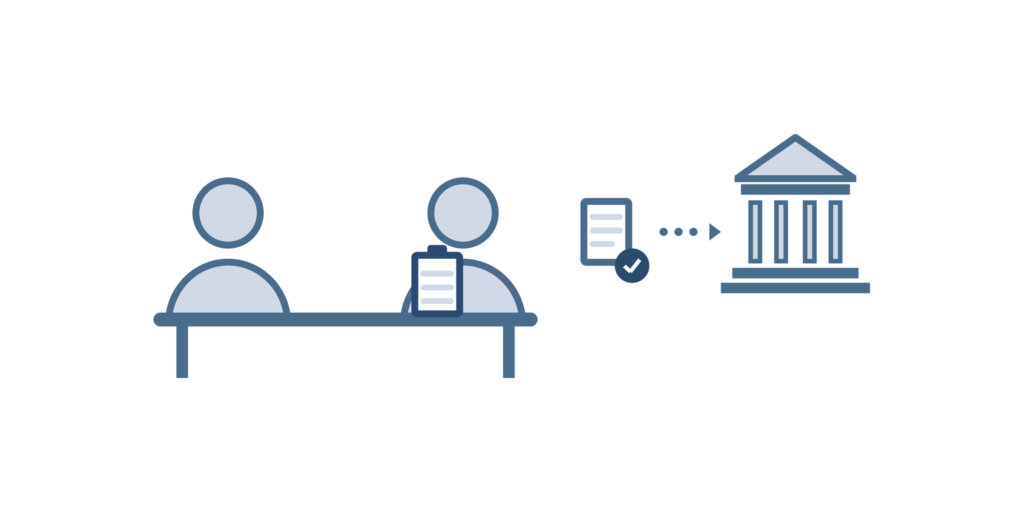
You finish the final module, the provider certifies your work, and you receive a certificate of completion that the court, caseworker, or agency that ordered the class can verify. You submit it yourself: OM Worldwide issues the certificate but does not report to courts or probation on your behalf, so delivering proof is your step to own.
Two things to expect. First, there are no same-day certificates; the class takes the ordered number of weeks because the skills take that long to practice. Second, the certificate shows verifiable details, which is exactly what makes it useful: a document the court can check carries more weight than any promise that you have changed.
Can an Anger Management Class Make You a Better Parent?
An anger management class can make you a calmer parent, and calm is where better parenting starts. To manage anger as a parent in the moment, the class drills a simple brake: pause and breathe, step away, name the feeling. Practicing that brake in front of your children does double duty, because they learn regulation by watching yours, and every outburst you replace with a steadier response is a small positive change in the house.
Keep expectations honest. A class gives structure, practical tools, and a certificate; it supports personal growth, and looking after your own mental health matters alongside it, but it does not decide your case. If you are still asking whether the order even fits you, our guide to do I have anger issues walks through the signs as a parent-friendly self-check.
If anger at home ever threatens anyone’s personal safety, that is beyond what a class addresses and belongs with a professional: the NHS advises seeing a doctor when self-help is not working or behavior turns harmful. For everyone else, the positive outcomes to aim for are simple: healthier ways to respond, fewer mornings spent apologizing for the night before, and a better quality of life for the whole house.
Acceptance is always the court’s or caseworker’s decision. Match the class length to the exact wording of your order and confirm the format before you enroll.
Frequently Asked Questions
Are anger management classes for parents court-accepted?
What if my order says parenting class, not anger management?
Can parents take anger management classes online?
How long is an anger management class for parents?
Does being sent to anger management mean you are a bad parent?
Tiffany Kumar · Checked by Tiffany Kumar, founder of OM Worldwide Inc., a WOSB-certified provider that delivers behavioral education in government and rehabilitation settings nationwide.